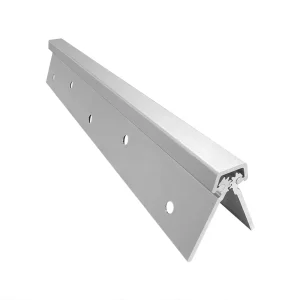
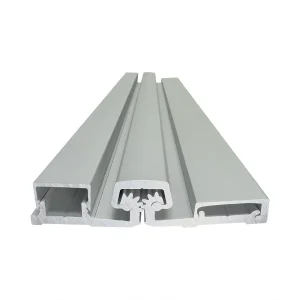
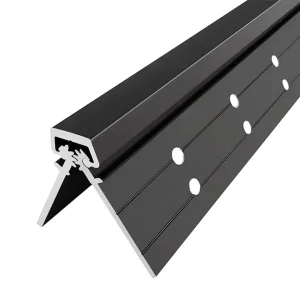
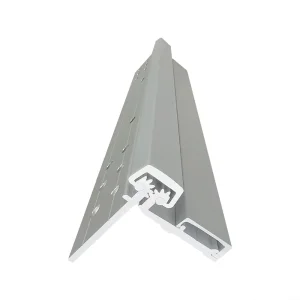
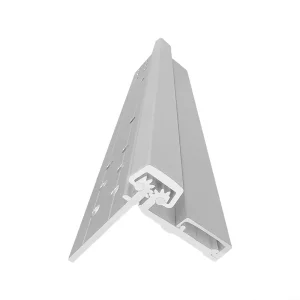
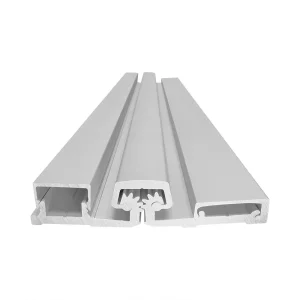
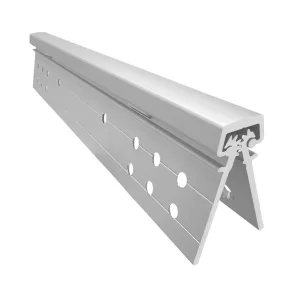
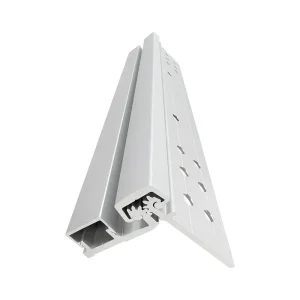
Explore our flagship heavy-duty continuous geared and high-tolerance weld-on profiles designed for critical operational lifespans.
LVXING: Leading the Era of High-Precision Aluminum Solutions.
Established in 2015 and strategically located in Foshan City, Guangdong—the global manufacturing hub for advanced aluminum metallurgy—LvXing Intelligent Equipment Co., Ltd. has established itself as an engineering powerhouse in custom aluminum processing. Through an agile R&D framework, we translate highly intricate conceptual drafts into physically optimized structural mechanisms.
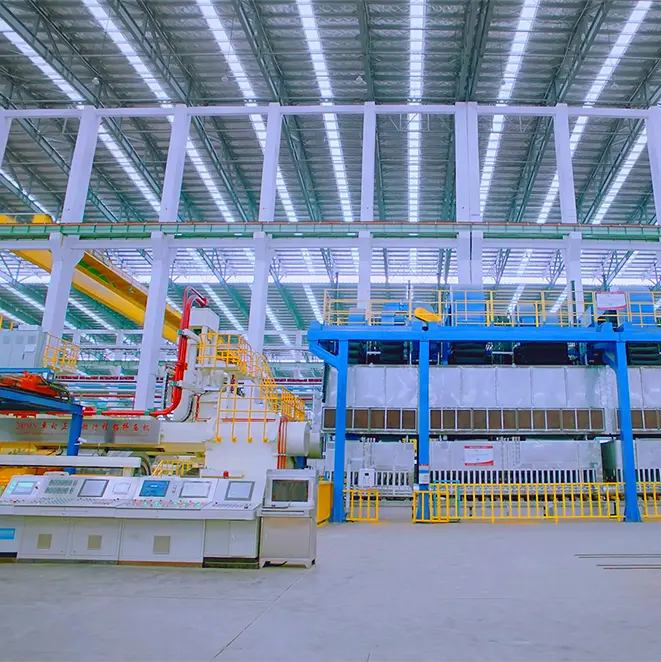
Utilizing high-purity Fenglu aluminum, we ensure every component benefits from superior metallurgical grain structure. Our massive extrusion lines range from 800T to 20,000T, enabling the fabrication of complex shapes and custom alloys spanning the 1xxx, 2xxx, 3xxx, 5xxx, 6xxx, and 7xxx series. Our advanced structural profiles can be produced in widths up to 1.2 meters and seamless continuous lengths up to 28 meters.
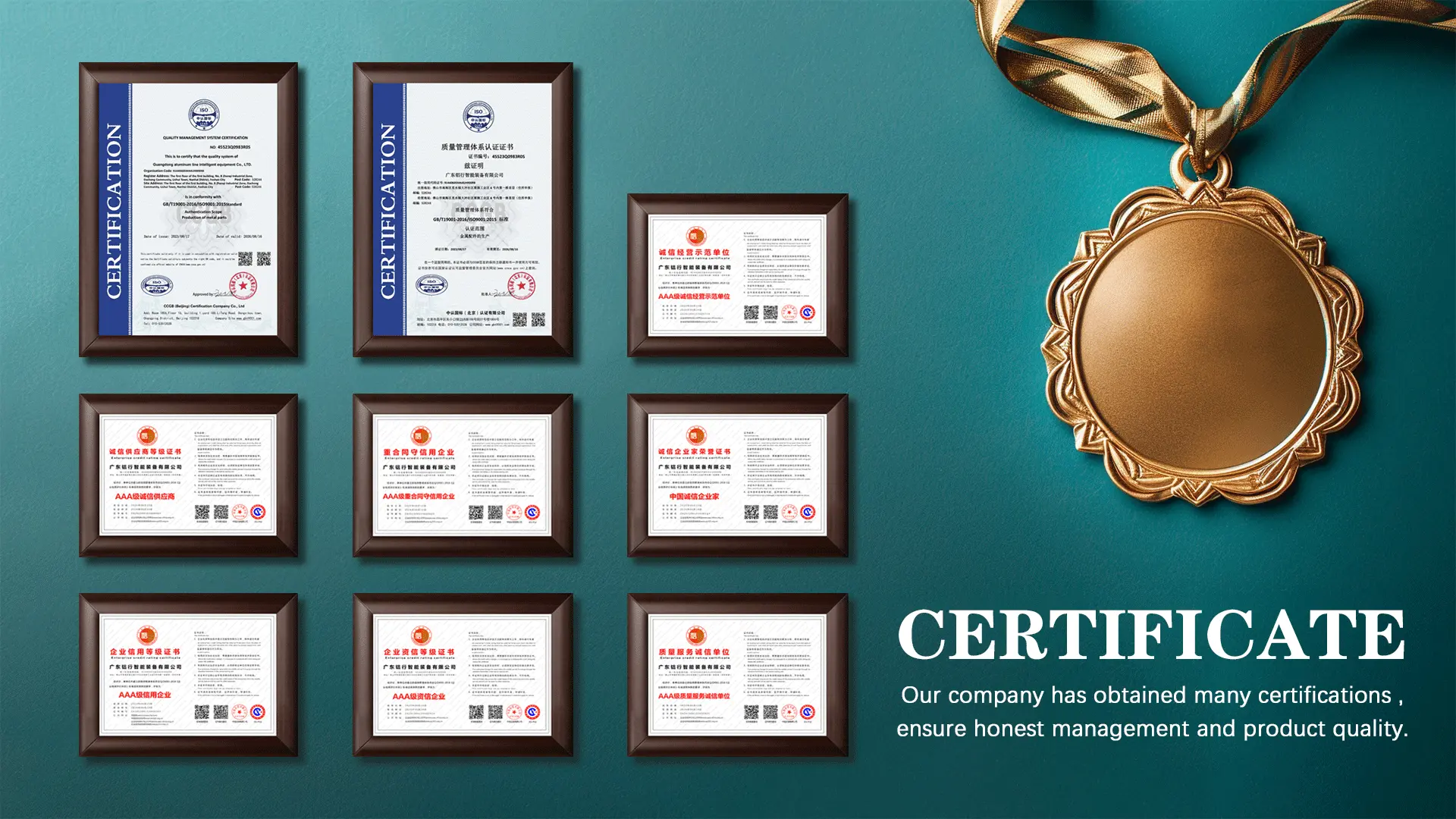
Our commitment is backed by the GB/T19001-2016 / ISO9001:2015 Quality Management System standards, serving global partners in aerospace, military, marine transportation, medical, and heavy industrial machinery sectors.
Why lead engineering firms and procurement directors specify LvXing for their high-stress structural joints.
We are authorized holders of the "Special Aluminium Materials for Aerospace" Certificate. This ensures our production processes meet elite-tier mechanical, chemical, and testing benchmarks for high-stress aerospace and defense frameworks.

Partnered directly with Fenglu profile systems, our range of 800T to 20,000T heavy-duty press matrices allows us to process 1xxx to 7xxx alloys up to 28m length and 1.2m width, avoiding weld points in large structures.

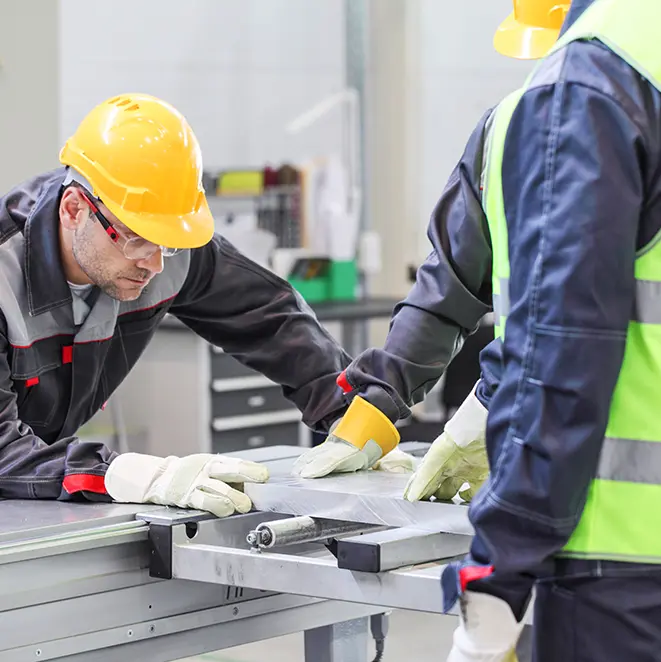
Our engineering team has 15+ years of hands-on expertise in structural design. We identify stress propagation faults, analyze thermal expansion limits, and design solutions to meet your exact specifications.

Deep-dive research on material choice, mechanical performance, and optimization of heavy-duty weld-on applications.
In modern industrial design, weight minimization has transitioned from a localized design goal to a global manufacturing mandate. Industrial weld-on hinges have traditionally been manufactured from carbon or stainless steel. However, the modern heavy transport, marine vessel, and cleanroom automation sectors are rapidly substituting steel variants with specialized high-strength aluminium configurations.
Aluminium weld-on hinges fabricated from 6000-series (such as 6061-T6 or 6082-T6) and 5000-series marine alloys deliver a superior strength-to-weight ratio. They provide natural oxidation resistance, high thermal conductivity, and direct compatibility when welded to structural aluminium frames, preventing galvanic corrosion without requiring complex dielectric isolation barriers.
The manufacturing process determines the operational limits of a weld-on hinge. Extruded aluminium offers uniform grain direction, which yields predictable yield strengths compared to cast options. By utilizing press lines up to 20,000 Tons, LvXing eliminates microscopic porosity within the alloy structure. This guarantees that hinges subjected to repeated dynamic loads in commercial vehicles or maritime doors maintain high shear resistance at the weld interface.
Navigating the cost structures of custom or wholesale aluminium hinges requires analyzing multiple technical variables:
A primary concern with weld-on hinges is the Heat Affected Zone (HAZ) created during MIG or TIG welding. In T6 heat-treated alloys, welding reduces local tensile strength. Design engineers must account for this drop, which can lower tensile properties in the HAZ by up to 30-40%.
Our engineering support team recommends specific weld sequences, filler metals (such as ER4043 or ER5356), and proper pre-heating methods to preserve the integrity of the door frame and the hinge leaves, ensuring maximum load capacity.
From initial design validation to metallurgical verification and final packaging protocols.
Evaluating mechanical loads to select the appropriate alloy (5xxx, 6xxx, or 7xxx) and temper state.
Pressing on 800T-20000T lines ensures a uniform grain structure and precise profiles.
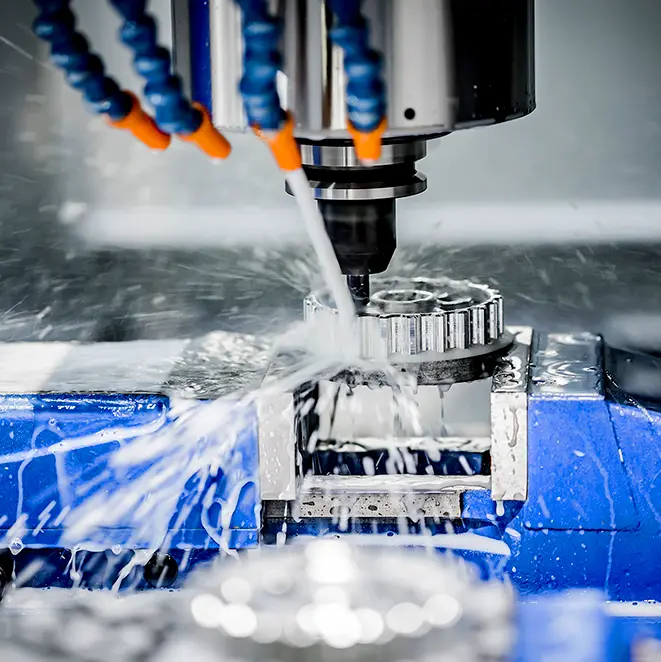
Milling hinge knuckles and installing stainless steel pins or self-lubricating washers.
Conducting salt spray corrosion testing and physical cycle stress validation.
Deep manufacturing capability backed by large-scale processing lines and rigorous inspection departments.
Expert answers addressing the design, installation, procurement, and metallurgy of industrial aluminium hinges.
For most structural and industrial applications, 6061-T6 or 6082-T6 is recommended due to its balanced combination of tensile strength, corrosion resistance, and machinability. If the hinge will be deployed in marine environments or chemical vessels where welding to 5xxx series hulls is required, 5083 or 5456 alloys are preferred to prevent localized galvanic cell formation and guarantee high corrosion resistance.
Welding heat alters the temper state of heat-treatable alloys (like 6061-T6), typically reducing mechanical strength in the HAZ by approximately 30% to 40%. Our engineering team design-compensates for this by increasing the weld leaf contact surface area, recommending ER5356 filler wires for higher joint shear strength, or advising localized post-weld aging treatments where structural designs permit.
Yes. Depending on the mechanical operational environmental cycle frequency, we construct weld-on configurations with integrated grease zerk fittings. Pin options include grade 304 or 316 stainless steel to eliminate mechanical binding, paired with self-lubricating bronze or PTFE bushings to prevent metal-on-metal friction and wear.
Supported by our partner Fenglu aluminum extrusion networks, we can produce continuous, fully integrated profiles up to 1.2 meters in width and 28 meters in length using our heavy-duty 20,000T extrusion press. This enables our customers to design large-scale continuous geared hinges or architectural joints without structural splice lines.
To provide an accurate pricelist and engineering quote, please provide our sales team with your 2D/3D CAD drawings (STEP, DWG, or IGES format), specifying the target alloy, expected mechanical load tolerances, surface treatment requirements (e.g., anodized, raw mill finish), and batch quantity. Standard RFQ turnarounds are completed within 24 to 48 working hours.
Review our product list below. Click on individual models to request targeted structural data sheets, dimensional layouts, and bulk pricing structures.
 LvXing Hinges