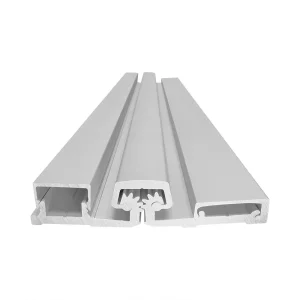
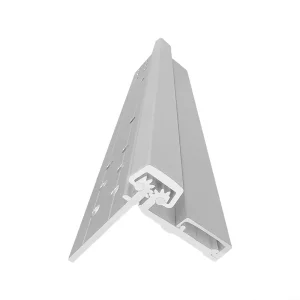
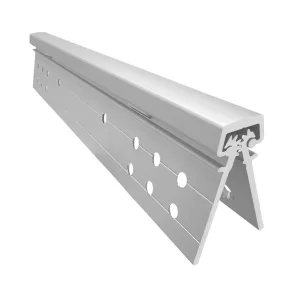
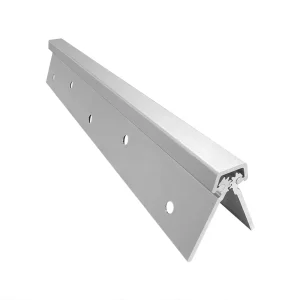
Explore our precision-machined heavy-duty architectural hinges designed for structural longevity and cycle fatigue resistance.
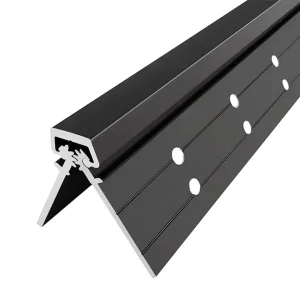
In modern structural engineering and commercial architecture, the performance of building envelopes depends heavily on the durability of their access points. Traditional pivot and butt hinges focus stress on isolated frame locations, leading to sag, frame deformation, and operational failure under heavy usage. This engineering limitation led to the development of Continuous Geared Aluminum Hinges.
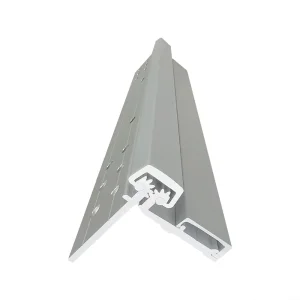
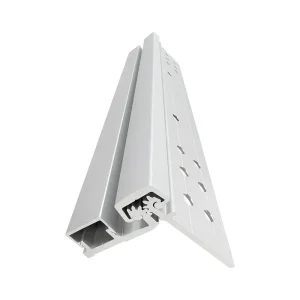
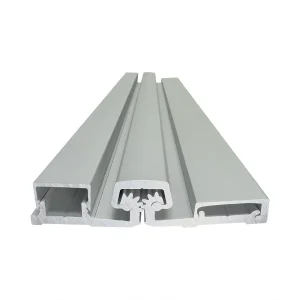
Unlike standard configurations, continuous geared hinges distribute gravity and lateral load forces uniformly along the entire height of the door frame. By utilizing interlocking gears enclosed within a continuous extruded channel, these assemblies eliminate concentrated shear stresses. The structural result is a system capable of handling millions of cycles in high-frequency municipal, medical, and security environments without maintenance or alignment loss.
Established in 2015 in Foshan City, Guangdong—the global heart of high-end industrial aluminum extrusion—LvXing Intelligent Equipment Co., Ltd. utilizes specialized R&D capabilities to manufacture industrial architectural hardware. The company's team of technicians applies extensive industry experience to convert customer design drafts, structural concepts, and OEM blueprints into production-ready physical components.
By sourcing raw materials from Fenglu Aluminum, LvXing guarantees high material purity and mechanical consistency. The factory operates a comprehensive array of extrusion lines from 800T to 20,000T. This enables processing across a wide range of alloy classes, including the 1xxx, 2xxx, 3xxx, 5xxx, 6xxx, and 7xxx series.
Our manufacturing scale supports the fabrication of complex, fully-shaped extrusion profiles measuring up to 1.2 meters in width and 28 meters in length. This manufacturing capacity serves structural demands across high-precision fields:
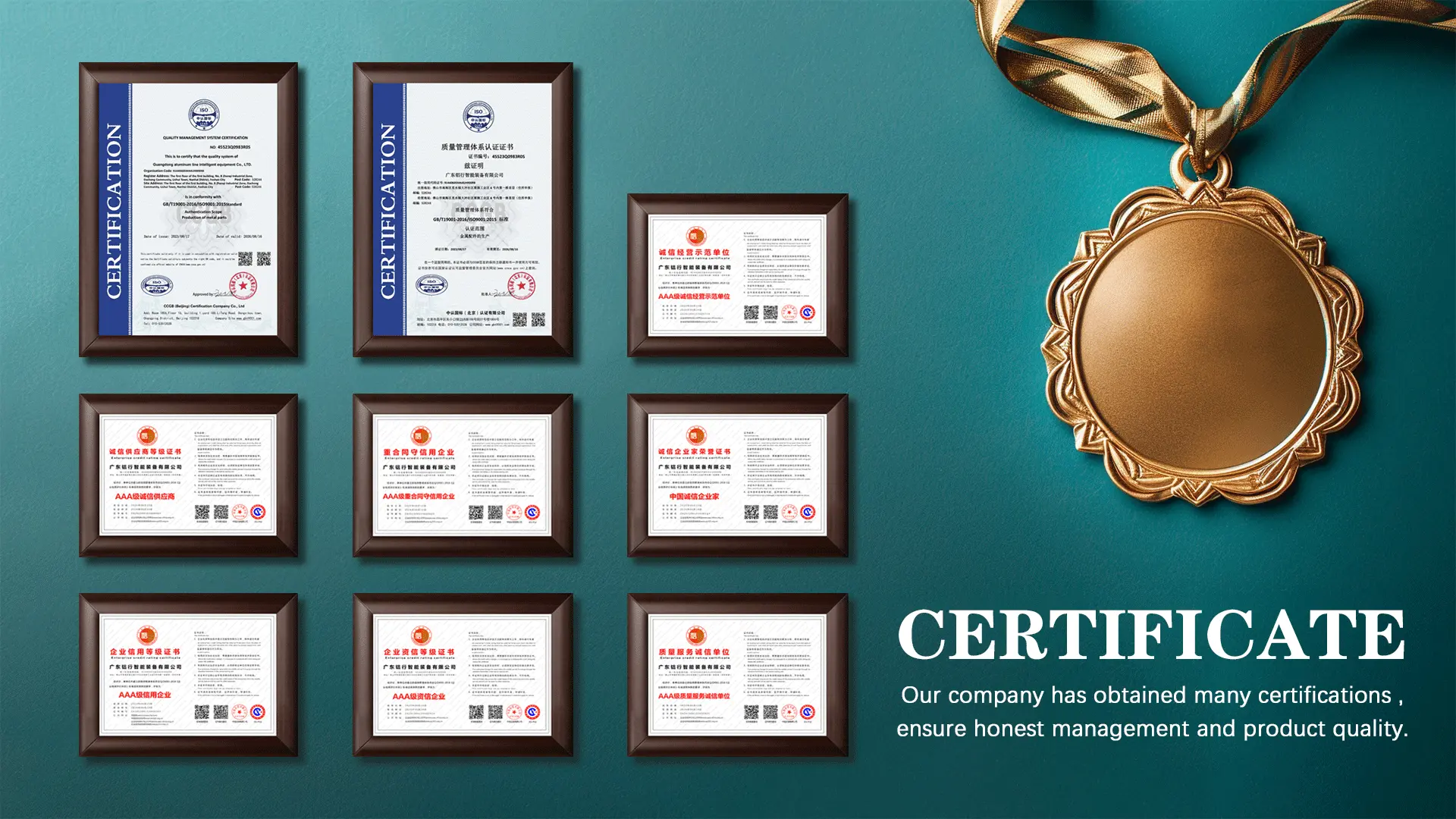
Our quality management covers raw material verification, extrusion profiling, precision CNC milling, anodizing, assembly, and transport logistics. This focus on reliability has earned our facility certification under the GB/T19001-2016/ISO9001:2015 standard, reinforcing our commitment to consistency across all product lines.
Combining certified materials, advanced processing equipment, and engineering expertise to deliver robust hardware solutions.
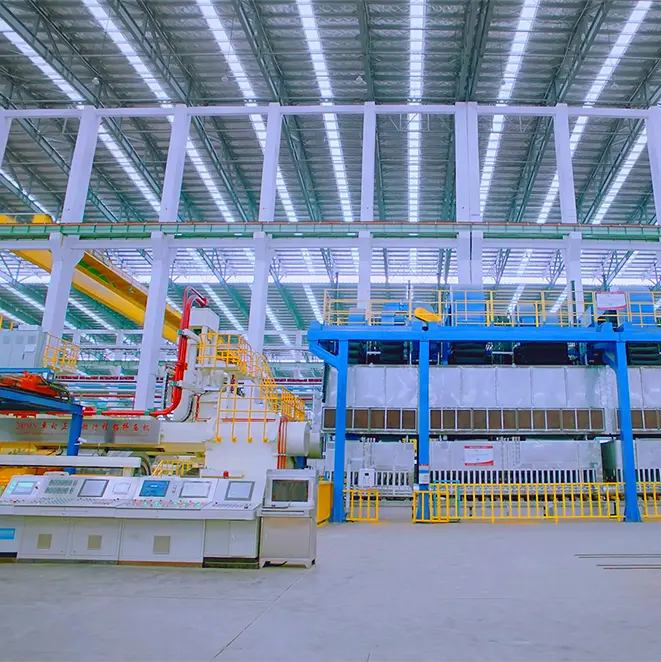

We have obtained the “Special Aluminium Materials for Aerospace” Certificate, ensuring that our products meet tight tolerances and strict safety standards.
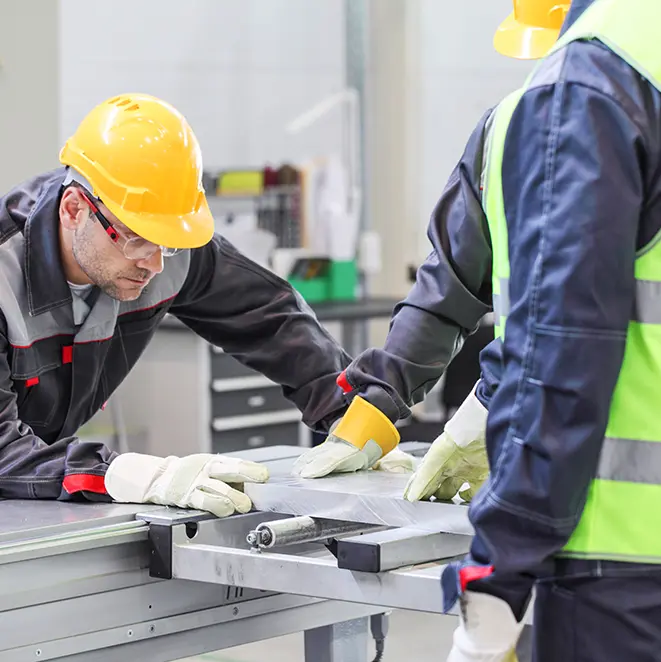

We utilize high-quality Fenglu aluminum profiles. With extrusion lines ranging from 800T to 20,000T, we process alloys in the 1xxx, 2xxx, 3xxx, 5xxx, 6xxx, and 7xxx series. This allows us to manufacture fully shaped products up to 1.2m wide or 28m long.
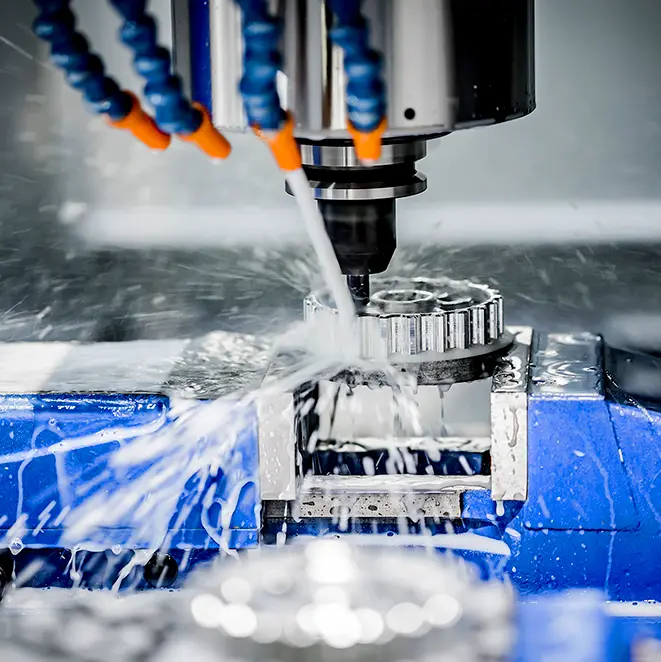

Our team of technicians has over 15 years of industry experience. This background helps us identify potential issues early in the design phase and suggest adjustments to meet specific functional requirements.
Industrial and enterprise-level procurement officers look for suppliers that balance material quality, volume capacity, and regulatory compliance. When sourcing hardware for commercial installations or transport systems, simple specifications are rarely sufficient. Project engineers require verifiable material reports, mechanical testing data, and consistent delivery timelines.
Key Challenges Faced by Procurement Teams:
LvXing addresses these challenges by using 20,000T extrusion lines to control microstructure uniformity during extrusion. This is paired with multi-axis CNC machining centers to ensure precise tolerances on holes, slots, and gear paths.
How our location in China's primary aluminum hub translates into quality and cost efficiency for international customers.
Foshan holds the largest cluster of aluminum profile manufacturers, mold makers, and surface treatment facilities globally. This allows us to source specific alloys, tooling, and specialized anodizing treatments with short lead times, reducing production bottlenecks.
Our strategic partnership with Fenglu Aluminum ensures raw material pricing and allocations, even during market fluctuations. We purchase directly at bulk rates, translating into competitive pricing for large-scale custom hardware projects.
From raw extrusion to multi-axis CNC drilling, slot milling, and anodized finish applications, all steps are managed within our controlled local network. This structural centralization guarantees consistent quality control across all production phases.
Architectural hardware must comply with localized building codes and safety regulations. Depending on the installation region, continuous hinges must meet standards for structural loading, fire ratings, accessibility, and wind load capacity.
Our manufacturing processes comply with major international directives:
For projects requiring specialized testing, we can provide material certifications indicating mechanical properties, alloy composition, and finish thickness. This documentation helps fast-track localized building inspections and engineering approvals.
Different environments present unique engineering challenges. Our custom aluminum door hinges are configured for specific applications.
Hospitals, surgical clinics, and cleanrooms require doors that seal tightly to manage air pressure and control dust. Continuous geared hinges ensure the door remains aligned over years of heavy use, preventing gaps that could compromise HVAC air pressure containment.
Schools, universities, and administrative buildings subject doors to high cycle frequencies and potential impacts. Continuous hinges help distribute structural stresses evenly, protecting the frames from sagging and reducing the risk of finger-pinch accidents.
Offshore structures, ports, and beachfront properties are exposed to wind loads and corrosive saltwater spray. Sourcing hinges extruded from structural 6000-series alloys with Class I hard-anodized finishes helps ensure longevity under these harsh conditions.
Heavy commercial access doors require security hardware that resists prying and vandalism. The continuous structure of geared hinges eliminates gaps between the door and frame, preventing pry bars from finding leverage.
The commercial hardware market is shifting toward sustainability, smart integration, and higher durability standards. As developers aim for certifications like LEED (Leadership in Energy and Environmental Design), procurement priorities are changing:
Aluminum stands out for its high recyclability. Sourcing extrusions produced via energy-efficient processes from suppliers like Fenglu helps lower the embodied carbon footprint of the project.
Modern buildings rely on electronic locking systems. The hardware industry is seeing growing demand for geared hinges with built-in power transfers (EPT channels) that route wiring safely from frame to door.
Our engineering team tracks these developments, offering designs with pre-routed wiring channels and custom anodizing to meet modern design and security requirements.
Answers to common structural questions regarding custom aluminum door hinges.
Select a model below to request a detailed material data sheet and customized quote.
 LvXing Hinges