10 Tips for Choosing a Geared Concealed Continuous Hinge?

Time:2026-10-07 Author:Madeline
0%

A hinge rarely receives attention until a door drags, sags, or refuses to close. In busy hospitals, schools, hotels, and offices, that failure can disrupt access, safety, and daily operations. A Geared Concealed Continuous Hinge spreads door weight along the full frame height. It also protects the hinge mechanism from direct view.

Market research supports this growing focus on durable door hardware. Grand View Research’s Door Hardware Market Size, Share & Trends Analysis Report, 2024–2030, identifies commercial construction and renovation as important demand drivers. Those projects increasingly prioritize longer service life, accessibility, and reduced maintenance. However, market growth does not make every hinge suitable. Specification details still matter.

Standards offer a more reliable starting point. ANSI/BHMA A156.26 addresses continuous hinges, including performance and testing expectations. NFPA 80 also provides guidance for hardware used on fire door assemblies. Always verify the complete door system, not only the hinge. A strong hinge cannot correct an unsuitable frame, oversized door, poor alignment, or incorrect fasteners.

This guide examines ten practical selection points. It considers door weight, height, material, traffic frequency, frame condition, fire-rating needs, accessibility, finish, installation limits, and long-term maintenance. Some choices remain imperfect. A concealed design may improve appearance but complicate inspection. A heavier model may increase durability but affect installation time and cost. Measure twice. Question the specification. Then choose the hinge that fits the real door, not merely the product photograph.
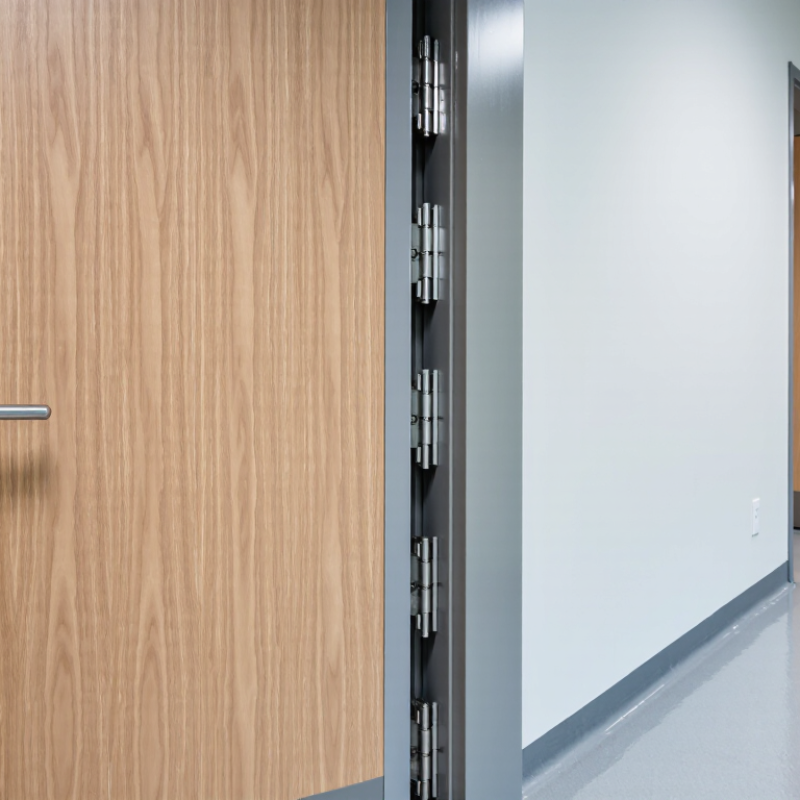
10 Tips for Choosing a Geared Concealed Continuous Hinge?

Understanding Geared Concealed Continuous Hinges

10 Tips for Choosing a Geared Concealed Continuous Hinge

Understanding geared concealed continuous hinges starts with the door assembly, not the hinge alone. A geared hinge transfers weight along the full frame height, reducing stress at individual mounting points. Check door height, width, weight, thickness, and opening frequency before selecting a model. A busy corridor needs stronger bearings than a quiet storage room. Measure carefully. Small errors matter.

Look for compliance with ANSI/BHMA A156.26, which covers continuous hinge performance and test methods. For fire-rated openings, verify the complete assembly against NFPA 80 requirements. The 2023 NFPA Fire Loss report recorded about 1.5 million U.S. fires, showing why reliable door operation deserves serious attention.

Fire resistance cannot be assumed from hinge appearance. Confirm the rating, fasteners, frame material, and door construction together. Also review corrosion resistance, finish durability, adjustment access, and compatibility with electrified hardware. Some concealed designs make wiring cleaner, but repairs can take longer. I have seen attractive installations fail because maintenance space was ignored.

Ask for cycle-test results, installation instructions, and load data from the supplier. Compare those figures with expected traffic, not optimistic estimates. The 2023 U.S. Energy Information Administration Commercial Buildings Energy Consumption Survey reported that commercial buildings remain major energy users, so proper door alignment can support efficient climate control. This effect is modest, but real. Do not oversell it.

A trial installation, torque check, and six-month inspection often reveal more than a glossy specification sheet.

Assessing Door Weight, Size, and Hinge Capacity

Choosing a geared concealed continuous hinge starts with the door, not the hardware. Measure the slab’s height, width, thickness, and actual weight, including glass, closers, locks, and decorative panels. A solid-core door may feel manageable during installation but create constant stress after years of daily use. I have seen small weight estimates cause premature sagging and uneven gaps.

Check the hinge’s rated capacity and installation conditions. Do not compare capacity by weight alone. Door height, opening frequency, mounting material, and closer force also affect performance. A tall, narrow door can behave differently from a shorter, wider one. Review the technical data, load-test method, and adjustment limits. Capacity should exceed the calculated door load, preferably with a practical safety margin. More capacity is not always better if the frame cannot support it.

Measure twice. Mark the hinge position against the frame and door edge before cutting. Confirm that the concealed channel fits without weakening the stile. On metal frames, verify reinforcement thickness; on timber frames, inspect for splits and soft sections. The hinge should keep the door aligned through its full swing, without scraping the floor or stressing the latch. I sometimes overestimate the importance of hinge capacity and underestimate poor fitting. That mistake deserves attention. Ask an experienced installer to check clearances, screw engagement, and closer settings before final adjustment. Tiny alignment errors become obvious at the handle.

Comparing Materials, Finishes, and Corrosion Resistance

Choosing a geared concealed continuous hinge requires more than matching its length to the door. Material selection affects strength, movement, maintenance, and service life. Aluminum is lightweight and resists rust, making it useful for interior doors and moderate traffic. Stainless steel offers stronger corrosion resistance, especially near kitchens, entrances, and humid rooms. Steel can provide excellent load capacity, but its protective finish must remain intact.

Finish quality matters as much as the base metal. An anodized surface can improve aluminum’s durability and appearance. Powder coating adds color and helps shield the hinge from moisture and minor scratches. For stainless steel, brushed finishes hide fingerprints better than highly polished surfaces. In practical inspections, I check the hinge edge, screw areas, and cut ends first. These locations often expose weak coating coverage.

Salt air changes the decision. Coastal buildings may need marine-grade stainless steel and sealed fasteners. In dry interiors, that specification could add unnecessary cost. Corrosion resistance also depends on cleaning habits, drainage, and contact with dissimilar metals. Avoid harsh cleaners that damage protective layers. A small scratch is easy to ignore, but it can become a visible rust point over time.

Test the hinge with the actual door weight and opening cycle. It should move smoothly without grinding or uneven gaps. I have seen attractive finishes fail because installers used unsuitable screws. That detail is easy to miss. Check technical data, finish thickness, load ratings, and environmental exposure before approval. Surface appearance alone is not reliable.

10 Tips for Choosing a Geared Concealed Continuous Hinge? - Comparing Materials, Finishes, and Corrosion Resistance

Tip Selection Dimension Material or Finish to Consider Typical Corrosion Resistance Best-Suited Environment Important Selection Guidance
1 Match the base metal to exposure 304 stainless steel High Interior areas, commercial buildings, and normal outdoor exposure Provides good general atmospheric corrosion resistance. It is not immune to staining or corrosion in salt-rich, acidic, or poorly ventilated locations.
2 Upgrade for chloride exposure 316 stainless steel Very high Coastal buildings, marine-adjacent areas, and locations exposed to de-icing salts Molybdenum improves resistance to chloride-induced pitting compared with 304 stainless steel, although regular cleaning is still required.
3 Choose aluminum when low weight matters Aluminum with anodized finish High Interior doors, lightweight assemblies, and many outdoor architectural applications Anodizing forms a protective oxide layer and can improve wear and weather resistance. Avoid damaging or cutting through the anodized surface during installation.
4 Use powder coating for color and barrier protection Carbon steel with powder coating Medium to high Dry interiors and sheltered outdoor installations Performance depends on coating thickness, pretreatment, edge coverage, and damage control. Scratches that expose steel can become initiation points for rust.
5 Consider zinc plating for economical indoor use Carbon steel with zinc plating Medium Dry indoor areas and applications with limited moisture Zinc provides sacrificial protection to exposed steel, but thin plating is less suitable for persistent humidity, standing water, or direct marine exposure.
6 Specify passivation after stainless fabrication Passivated stainless steel High to very high Clean architectural, healthcare, food-service, and humid environments Passivation removes free iron and helps restore the protective chromium-rich surface after machining or fabrication. It does not replace correct alloy selection.
7 Use electropolishing where cleanliness is critical Electropolished stainless steel Very high Hygienic areas, cleanrooms, laboratories, and demanding wet environments The smoother surface is easier to clean and can reduce sites where contaminants accumulate. The finish may increase cost and should be specified for visible surfaces when appearance matters.
8 Check the gear and pin material separately Stainless leaves with compatible stainless gears and pins High Doors exposed to humidity, washing, or occasional condensation Do not evaluate corrosion resistance from the leaves alone. Different metals in a wet assembly can create galvanic corrosion; compatible materials and drainage are important.
9 Account for concealed crevices Closed-profile hinge with corrosion-resistant fasteners Depends on design High-use doors where debris, moisture, or cleaning chemicals may enter joints Crevice corrosion can occur in shielded gaps even when the exterior looks sound. Prefer designs with sealed or well-drained interfaces and avoid trapping water behind the hinge.
10 Verify the finish against the cleaning regime Chemical-resistant finish compatible with the cleaning agent Application-dependent Healthcare, hospitality, food-service, and industrial facilities Chlorides, acids, strong alkalis, and abrasive cleaners can damage finishes or accelerate corrosion. Confirm chemical compatibility and follow the manufacturer’s cleaning instructions.

Note: Corrosion performance depends on alloy composition, finish quality, coating thickness, installation damage, drainage, cleaning chemicals, temperature, humidity, and exposure duration. Always validate the selected hinge in the actual service environment.

Checking Installation Requirements and Security Features

Choosing a geared concealed continuous hinge starts with the opening, not the catalog. Confirm door weight, height, thickness, frame material, swing direction, and available hinge clearance. Measure twice. A narrow frame may require special routing, while a fire-rated assembly must follow its listed hardware schedule. NFPA’s Fire Loss in the United States During 2023 recorded about 1.39 million reported fires, reinforcing why compatible, correctly installed hardware matters.

Check the installation manual for fastener type, reinforcement, cutout dimensions, and electrical routing. The hinge should not compress seals or restrict the closer. Ask whether the assembly supports the door’s fire rating, accessibility requirements, and environmental exposure. Under NFPA 80, listed fire-door hardware must be installed according to its listing and approved instructions. Small deviations can create large problems. I have seen installers focus on hinge length and overlook frame reinforcement.

Security features deserve equal attention. Look for concealed fasteners, tamper-resistant screws, protected wiring, and a design that limits hinge-side access when the door is closed. Confirm cycle testing, load capacity, and corrosion testing from independent documentation. The 2024 State of Physical Security report from the Security Industry Association identifies integration and system reliability as continuing industry priorities. That does not replace a site inspection. Review camera views, lock alignment, emergency egress, and maintenance access together. A perfect hinge can still fail within a poorly prepared opening. Recheck the details.

Evaluating Durability, Maintenance, and Overall Cost

Choosing a geared concealed continuous hinge starts with durability, not appearance. In field inspections, I check the gear teeth, hinge pin, leaves, and mounting screws. These parts carry repeated loads whenever the door opens. A heavy door can expose weak components quickly. Stainless steel may suit damp corridors, while coated steel can work well in controlled interiors. The correct material depends on traffic, humidity, door weight, and cleaning methods.

Maintenance affects the real cost. A well-fitted hinge should move smoothly without scraping or uneven gaps. Inspect it during scheduled door servicing. Look for loose fasteners, metal dust, chipped finishes, or rising resistance. Small problems become expensive when they damage the frame or closer. Follow the manufacturer’s approved lubrication guidance, because excess lubricant can collect dust. Keep records of inspections. They provide useful evidence when performance changes.

I once assumed the longest hinge would always last longer. That was too simple. Installation accuracy mattered more than expected. A slightly twisted frame created stress, even with a strong hinge. Consider purchase price, labor, adjustment time, replacement access, and downtime. A concealed hinge may cost more initially, yet reduce repairs in busy facilities. However, savings are not guaranteed. Compare tested load ratings with actual door conditions, and question any claim that lacks measurable evidence. Test the door after installation, then test it again after regular use.

10 Tips for Choosing a Geared Concealed Continuous Hinge

A 10-year ownership-cost scenario comparing a conventional butt-hinge setup with a geared concealed continuous hinge. The model includes purchase and installation, scheduled maintenance, replacement allowance, and downtime-related cost.

Planning assumptions: USD per door, a 10-year service period, routine maintenance every two years, and replacement or downtime costs based on the stated scenario. The figures are transparent planning values rather than vendor or brand quotations. A geared concealed continuous hinge has a higher initial cost in this example but a lower projected maintenance and replacement burden.

FAQS

What should be measured before choosing a geared concealed continuous hinge?

Measure door height, width, thickness, and weight. Check opening frequency. A busy corridor needs stronger bearings than a quiet storage room. Small errors matter.

How does a geared concealed continuous hinge support a heavy door?

It transfers door weight along the frame height. This reduces stress at individual mounting points. Weak components can still fail under repeated loads.

What standards should be checked for a fire-rated opening?

Check recognized continuous-hinge performance standards and fire-opening requirements. Confirm the complete assembly, including fasteners, frame, door, and hinge. Appearance proves nothing.

Are concealed hinges suitable for electrified door hardware?

Many concealed designs support cleaner wiring. However, repair access may take longer. Check wiring space before installation. Hidden is not always easier.

Which materials are suitable for different environments?

Stainless steel may suit damp corridors. Coated steel can work in controlled interiors. Choose according to humidity, traffic, door weight, and cleaning methods.

How can maintenance problems be identified early?

Inspect gear teeth, hinge pins, leaves, and mounting screws. Look for metal dust, loose fasteners, chipped finishes, or uneven gaps. Rising resistance is a warning.

Does a higher purchase price guarantee lower overall cost?

No. Compare purchase price, labor, adjustment time, replacement access, and downtime. A costly hinge may reduce repairs, but savings are not guaranteed.

What testing should happen after installation?

Test the door immediately, then test it again after regular use. Check alignment, torque, movement, and closing behavior. A trial installation can expose weak assumptions.

Can proper door alignment reduce building energy use?

Proper alignment can support climate control by limiting unnecessary door gaps. The effect is modest, but real. Do not oversell it.

What installation lesson is easy to overlook?

I once thought the longest hinge would last longer. That was too simple. A slightly twisted frame created stress, even with a strong hinge.

Conclusion

Choosing the right Geared Concealed Continuous Hinge begins with understanding how its concealed geared mechanism supports smooth, continuous door movement while improving alignment and appearance. Start by evaluating the door’s weight, height, width, traffic frequency, and operating conditions to ensure the hinge capacity is sufficient. Selecting an appropriate load rating helps prevent premature wear, sagging, and difficult operation.

Material and finish should match the environment, especially where moisture, chemicals, or temperature changes may cause corrosion. Before purchasing, confirm the required door and frame preparation, available installation space, adjustment options, and any security features that support reliable performance. It is also important to consider durability, maintenance requirements, replacement-part availability, and total ownership cost rather than focusing only on the initial price. A well-chosen hinge should provide quiet operation, stable alignment, long service life, and a clean architectural appearance while remaining practical to install and maintain.


Madeline

Madeline

Madeline is a dedicated marketing professional with a wealth of expertise in our company's core offerings. With a keen understanding of the industry, she brings a unique perspective to her role, consistently delivering high-quality content that highlights the superior aspects of our products. As......